UH Elyria Wound Care & Hyperbaric Medicine

Information about UH Elyria Wound Care & Hyperbaric Medicine
44035, Elyria
Opening hours
- Monday: 9:00 AM – 5:00 PM
- Tuesday: 9:00 AM – 5:00 PM
- Wednesday: 9:00 AM – 5:00 PM
- Thursday: 9:00 AM – 5:00 PM
- Friday: 9:00 AM – 5:00 PM
- Saturday: Closed
- Sunday: Closed
Trust the experienced wound care specialists and doctors at University Hospitals. We offer a variety of wound care treatment services, including endovascular surgery, hyperbaric oxygen therapy, and limb salvage. Find a wound doctor in your area today.
Patients with diabetes, poor circulation, traumatic injury, cancer or other serious conditions can develop chronic wounds that do not heal over weeks, months or even years. Longstanding, open wounds can cause severe pain, lead to amputation and greatly impact the patient’s quality of life and psychosocial behavior. Treating the wound is key in order to improve mobility, manage pain and avoid amputation.
If you have a chronic or non-healing wound, early and aggressive treatments are essential for optimal outcomes. Call 216-844-3800 today to schedule an appointment with a wound care expert.
The clinical wound care program at University Hospitals offers convenient locations and experienced wound care specialists throughout Northeast Ohio. Our priority is to identify patients with chronic, hard-to-heal wounds as early as possible so that comprehensive treatments may begin with the goal of optimal healing. Early intervention with effective treatments can prevent wound worsening, promote healing and, in some cases, prevent the need for amputation of the affected limb or extremity.
When chronic wounds are associated with vascular insufficiency and are resistant to other treatment options, some doctors may recommend amputation. We encourage anyone receiving this recommendation to get a second opinion from the experts at the University Hospitals Limb Salvage and Amputation Prevention Program. We have a proven track record for saving limbs using advanced, innovative revascularization techniques – even when all other treatment options have failed.
Bacteria from infected tissue or an open wound can sometimes cause an infection in the bone. Symptoms vary greatly and can range from an open wound with exposed bone, to swelling, bone pain and lower extremity warmth and/or tenderness.
Our wound experts offer therapies and procedures to treat the infection and encourage healing of the wound to lessen the risk of further complications.
Serious, widespread burns require highly specialized care and are best treated at a dedicated burn center or trauma unit. After the initial healing however, the damaged tissues may be subject to the development of hard-to-heal wounds. This is when wound care experts can help with procedures and treatments to help prevent infection and promote healing. Treatment will often include debridement – the removal of dead, damaged, or infected tissue to improve the healing potential of the remaining healthy tissue.
Neuropathy is a condition caused by nerve damage or dysfunction and is characterized by weakness, numbness, tingling and pain, usually in the hands or feet. It often occurs in people with diabetes but it can also be caused by injuries and infections. As it worsens, neuropathy can lead to a total loss of sensation in the affected extremity.
Without sensations of pain, people with cuts or breaks in the skin – particularly in the feet – may be unaware of the injury. This can result in delayed treatment and lead to chronic wounds or ulcers that may be susceptible to complications like infection and gangrene.
Untreated, diabetic and neuropathic ulcers can become a severe health threat and may lead to a need for surgical amputation. Anyone with diabetes and/or peripheral neuropathy should examine their feet daily and consult their doctor immediately if there is any sign of skin damage or injury.
The lymphatic system is comprised of hundreds of lymph nodes found throughout the body, connected to each other by lymph vessels. The lymph nodes contain lymphocytes (white blood cells) that help the body fight infection and disease. The lymphatic system helps to maintain fluid levels in our body tissues by removing excess fluids that leak out of our blood vessels. If there is a problem with the lymphatic system, caused by obstruction, inflammation after trauma, cancer surgery to remove lymph nodes or radiation therapy, it can lead to excess fluid accumulating in an area of the body, usually an arm or a leg. The swelling that results is called lymphedema.
Chronic lymphedema can lead to many complications, including ulcers in the skin over the affected area due to inadequate drainage and blood flow and the resultant swelling (edema).Treatment will typically include appropriate dressing changes, compression therapy and elevation of the affected limb.
Pressure ulcers (also known as bedsores) are injuries to the skin and underlying tissue that occur when there is constant external pressure on any part of the body. The prolonged pressure reduces blood, oxygen and nutrients to the tissues, which can lead to open sores and, if untreated, tissue death. The most common locations for pressure ulcers are the lower back, buttocks, tail bone, heels and back of the head.
Pressure ulcers are most common in people confined to bed or a wheelchair for a long period of time. There are many complications that can develop if pressure ulcers are not promptly and effectively treated, including sepsis – a potentially life-threatening condition that occurs when the body's response to an infection causes widespread inflammation and damage to its own tissues.
The best treatment for pressure ulcers is prevention. Bedridden or wheelchair-bound people should be frequently turned or moved to avoid prolonged pressure on any one area of the body. If sores develop, they should be treated promptly by a wound care expert.
Radiation therapy is a highly effective and often-used treatment for many different types of cancer. Unfortunately, when the radiation kills the cancer cells it may also cause some damage to the healthy surrounding soft tissue. The radiated tissue has a reduced ability to heal, therefore the damage can persist for months or years if not properly treated. This condition is called soft tissue radionecrosis.
Wounds may develop at the site of treatment or in the nearby soft tissue that may have been damaged during the course of treatment. Wounds may also develop if there is minor trauma to the area or if a surgical incision is necessary on or near to the radiated tissue.
Also called ischemic ulcers or arterial ulcers, vascular wounds are typically slow to heal and, therefore, susceptible to infection. This type of wound is common in patients with a history of swelling in their legs, varicose veins and blood clots, any of which may be due to existing peripheral artery disease (PAD) or chronic venous insufficiency.
Regardless of the type and/or cause of a non-healing wound, University Hospitals offers the most advanced diagnostic and treatment options available.
We encourage anyone with a chronic, non-healing wound to seek an expert evaluation and not delay their care. Our team has the advanced training and expertise to develop an effective, personalized treatment plan just for you – even if previous treatments haven’t worked.
If you have a chronic or non-healing wound, early and aggressive treatments are essential for optimal outcomes. Call 216-844-3800 today to schedule an appointment with a wound care expert.
UH Elyria Wound Care & Hyperbaric Medicine: Reviews
Fantastic experience: If you have a wound and you need to get rid of it, please schedule an appt with this place. Everyone here is amazing. The nurses: Lindsey, Michelle, Sue, Jill, Shannon, Melissa and Barb are amazing. Even the front desk staff is amazing Everyone here is respectful, kind and patient . I first saw Jamie who did what she needed to do for the wound. After that I went to Dr Reyes. I had a stasis wound that had a high case of Pseudomonas In 7 months Dr Reyes killed the psudamomas and started to make my wound heal again. Dr Reyes, OMG, this Dr is the best. To be honest, it can become a bit much to go here twice a week for a year but if you want your wound to be gone then this is the place . I would highly recommend this place for anyone dealing with wounds of any kind.
Fantastic experience: Fantastic team great care and follow up Dr Saada Seidu is one of the most knowledgeable physicians that I have worked with in a long time. The nurses and physician make great team . They go the extra mile and help w bumps in treatment when medicare or homecare are not providing the healing experience the patient needs to improve.
Fantastic experience: Very nice people here! Doctor Warner is a great doctor and helped me feel more at ease.
Fantastic experience: Fantastic staff! I take my client here weekly for wound care and daily during the week for Hyperbaric Oxygen Therapy and the staff is just wonderful! Dr. Warner is a great doctor, he treats my client with respect and has does an amazing job getting the wound closed back up!
Leave your opinion about UH Elyria Wound Care & Hyperbaric Medicine:
UH Elyria Wound Care & Hyperbaric Medicine appears in the following listings:
Other physiotherapy centers that might interest you


UH Elyria Medical Center Gates Phlebotomy
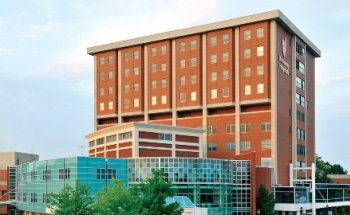


Community Health Partners
Leslie R. Mcginnis, OTRL
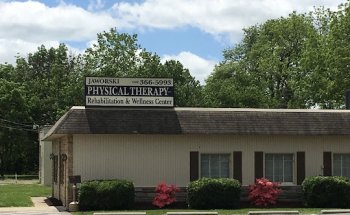
Jaworski Physical Therapy Inc
Add your physiotherapy center to our directory free of charge
If you manage a physio clinic and want to appear in our guide, send us the information of your company and you can appear free of charge.
 Austria
 Belgium
 Brazil
 Chile
Chile España
 France
 Germany
 Italy
Italy Netherlands
 Portugal
 Switzerland
 United States
 Uruguay