Coastal Injury Care Center
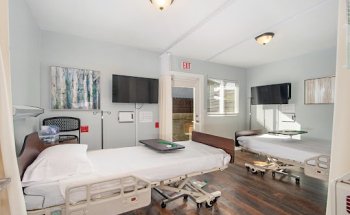
Information about Coastal Injury Care Center
91942, La Mesa
Opening hours
- Monday: Open 24 hours
- Tuesday: Open 24 hours
- Wednesday: Open 24 hours
- Thursday: Open 24 hours
- Friday: Open 24 hours
- Saturday: Open 24 hours
- Sunday: Open 24 hours
We limit the number of patients we care for at a given time to increase the direct face-to-face care for each patient and reduce the risks of infection
We Partner with Attorneys and Specialty Physicians to Provide Quality Patient Care That Enables Patients and Their Attorneys to Maximize Their Personal Injury Claims and Settlements
Specialized in Caring for Personal Injury Accident and Work Accident Victims Suffering from Catastrophic and Disabling Injuries Throughout the Southern California Area
Located in La Mesa, California, Coastal Injury Care Center is a multidisciplinary provider setting, offering inpatient acute care, subacute care and rehabilitation therapies. Our individualized treatment programs are managed by a team of physicians including nephrologists, cardiologists, neurologists, orthopedists, physiatrists, wound care physicians, pain management physicians, podiatrists and psychologists. Subacute daily rehabilitation incorporates physical, occupational, speech and recreational therapy. Our dietary services include nutritional counseling, tube feeding. We also offer complex case management and discharge planning by licensed clinical social workers and therapists.
We initiate a full patient assessment that creates a customized plan of care for each individual. Our whole person team approach provides complete care and complete communication to the care team.
We limit the number of patients admitted to prevent facility acquired infection that is very common in the large skilled nursing buildings housing multiple diseased patients. We have a network of providers, surgery centers and medical equipment providers to meet your every need.
A QEEG brain map (or 'Q' for short) enables one to see your unique pattern of mental strengths and weaknesses - areas of the brain where there is too little or too much activity, and areas that are not coordinating their activity the best they could.
We use QEEGs for our initial assessment, to design your neurofeedback training program, and to track your progress over your sessions. It involves nothing more than wearing a sensor cap so we can observe what your brain is doing.
Once we can the reason for you struggles on a brain level, we can create a neurofeedback training program to help resolve it.Head trauma, PTSD, ADD/ADHD/Stroke and concussions are just a few reasons for this type of treatment.
Intracranial pressure (ICP) monitoring uses a device placed inside the head. The monitor senses the pressure inside the skull and sends measurements to a recording device.
Also known as a case management plan. A timeline of patient care activities and expected outcomes of care that address the plan of care of each discipline involved in the care of a particular patient. It is usually developed prospectively by an interdisciplinary healthcare team in relation to a patient's diagnosis, health problem or surgical procedure.
Case management is the coordination of services on behalf of an individual person who may be considered a case in different settings such as health care, nursing, rehabilitation, social work, disability insurance, employment, and law. Case management may refer to:
2. Medical case management, a general term referring to the facilitation of treatment plans to assure the appropriate medical care is provided to disabled, ill or injured individuals
A cervical spine injury affects the top part of the spine, from the base of the skull to the upper back. The neck has seven cervical vertebrae, known as C1 through C7. If a cervical injury affects the spinal cord, the results are often devastating.
Assessment An RN uses a systematic, dynamic way to collect and analyze data about a client, the first step in delivering nursing care. Assessment includes not only physiological data, but also psychological, sociocultural, spiritual, economic, and life-style factors as well. For example, a nurse’s assessment of a patient in pain includes not only the physical causes and manifestations of pain, but the patient’s response—an inability to get out of bed, refusal to eat, withdrawal from family members, anger directed at staff, fear, or request for more pain mediation.
Diagnosis The nursing diagnosis is the nurse’s clinical judgment about the client’s response to actual or potential health conditions or needs. The diagnosis reflects not only that the patient is in pain, but that the pain has caused other problems such as anxiety, poor nutrition, and conflict within the family, or has the potential to cause complications—for example, respiratory infection is a potential hazard to an immobilized patient. The diagnosis is the basis for the nurse’s care plan.
Outcomes / Planning Based on the team assessment and diagnosis, the nurse sets measurable and achievable short- and long-range goals for this patient that might include moving from bed to chair at least three times per day; maintaining adequate nutrition by eating smaller, more frequent meals; resolving conflict through counseling, or managing pain through adequate medication. Assessment data, diagnosis, and goals are written in the patient’s care plan so that nurses as well as other health professionals caring for the patient have access to it.
Implementation Nursing care is implemented according to the care plan, so continuity of care for the patient during hospitalization and in preparation for discharge needs to be assured. Care is documented in the patient’s record.
Evaluation Both the patient’s status and the effectiveness of the nursing care must be continuously evaluated, and the care plan modified as needed.
Most people take breathing for granted. It is second nature, an involuntary reflex. But for the thousands of Americans who suffer from breathing problems, each breath is a major accomplishment. Those people include patients with chronic lung problems such as asthma, bronchitis and emphysema, but they also include heart attack and accident victims; premature infants; and people with cystic fibrosis, lung cancer or AIDS.
In each case, the person will most likely receive treatment from a respiratory therapist under the direction of a physician. Respiratory therapists work to evaluate, treat and care for patients with breathing disorders.
Lorem ipsum dolor sit amet, consectetur adipiscing elit. Etiam pellentesque porttitor dapibus. Vestibulum rhoncus orci ex, in ultricies mi lobortis non. Duis massa velit, condimentum at dignissim ac, varius eu leo. Vestibulum consequat purus sed sagittis tristique. Aenean sit amet tincidunt nisl, id tempus urna. Cras pulvinar erat nunc, non varius orci tincidunt sed. Nulla turpis felis, sollicitudin ut pharetra sit amet, aliquam at lorem. Cras sapien purus, fringilla malesuada iaculis at, ullamcorper id diam. Vestibulum luctus dapibus dignissim. a diam enim. Sed dictum libero justo, vel malesuada tellus auctor in. Morbi vestibulum purus et pharetra lobortis. Aliquam erat volutpat.
Nullam rutrum magna sed risus semper mattis. Sed porta purus sodales ligula rhoncus, eget finibus odio ultrices. Proin diam nulla, porta eu massa nec, mollis ullamcorper lorem. Cras non lacinia diam, et commodo nisi. Donec aliquet ullamcorper finibus. Sed rutrum turpis vel lacus suscipit fermentum vitae eget elit. Ut porttitor egestas malesuada. Aliquam varius tincidunt sagittis. Pellentesque sit amet mattis magna, ut suscipit risus. Nullam ut lacus ipsum. Proin gravida bibendum mi vel tempus.
During a CT scan, you lie in a tunnel-like machine while the inside of the machine rotates and takes a series of X-rays from different angles. These pictures are then sent to a computer, where they’re combined to create images of slices, or cross-sections, of the body. They may also be combined to produce a 3-D image of a particular area of the body.
Lorem ipsum dolor sit amet, consectetur adipiscing elit. Etiam pellentesque porttitor dapibus. Vestibulum rhoncus orci ex, in ultricies mi lobortis non. Duis massa velit, condimentum at dignissim ac, varius eu leo. Vestibulum consequat purus sed sagittis tristique. Aenean sit amet tincidunt nisl, id tempus urna. Cras pulvinar erat nunc, non varius orci tincidunt sed. Nulla turpis felis, sollicitudin ut pharetra sit amet, aliquam at lorem. Cras sapien purus, fringilla malesuada iaculis at, ullamcorper id diam. Vestibulum luctus dapibus dignissim. a diam enim. Sed dictum libero justo, vel malesuada tellus auctor in. Morbi vestibulum purus et pharetra lobortis. Aliquam erat volutpat.
Nullam rutrum magna sed risus semper mattis. Sed porta purus sodales ligula rhoncus, eget finibus odio ultrices. Proin diam nulla, porta eu massa nec, mollis ullamcorper lorem. Cras non lacinia diam, et commodo nisi. Donec aliquet ullamcorper finibus. Sed rutrum turpis vel lacus suscipit fermentum vitae eget elit. Ut porttitor egestas malesuada. Aliquam varius tincidunt sagittis. Pellentesque sit amet mattis magna, ut suscipit risus. Nullam ut lacus ipsum. Proin gravida bibendum mi vel tempus.
The health care provider chooses the appropriate sterile technique and necessary supplies based on the clinical condition of the patient, the cause of the wound, the type of dressing procedure, the goal of care, and facility policy.
For more complex wounds with delayed healing, a variety of solutions, ointments or wound vac systems may be used based on the recommendation of a wound clinician or physician.
Durable Medical Equipment is any equipment that provides therapeutic benefits to a patient in need because of certain medical conditions and/or illnesses.
An injection that goes into your “epidural space,” which is right outside of the membrane that protects your spinal cord. Doctors use epidural injections to relieve pain during and after surgery, as well as managing chronic pain.
This procedure isn’t right for every case. But if it’s an option, it requires a lower dose of medicine and as a result has fewer side effects. Epidurals may even give you longer-lasting pain relief while helping you stay more alert and mobile.
This one of the most common uses of an epidural. It’s a type of anesthesia that doctors may give you during surgery to numb your spinal nerves and prevent pain signals from traveling to your brain. It usually begins to work in only 10 to 20 minutes.
You’d get a nerve block through a small, flexible tube, called a catheter, that goes near your spine at the small of your back and delivers the medicine nonstop, so you feel no pain during your surgery.
An epidural targets the nerves that carry pain signals. So you’re still able to feel touch and pressure. In fact, even though you will not feel pain in the lower portion of your body, you may still be able to walk around with some help. For these reasons, doctors usually recommend the use of an epidural nerve block when a woman chooses to get anesthesia during childbirth.
Side effects include a drop in blood pressure, trouble urinating, and headache. Rare complications include bleeding in the epidural space, nerve damage, and infection.
Some epidural injections are done with different medications, including steroids, to reduce pain and inflammation in your back, neck, arms, or legs.
Your doctor will use an X-ray with a special dye to insert the needle in the right spot. They will choose a location along your spine from the bottom of your neck to your tailbone that is closest to the nerve causing your pain.
A feeding tube is a medical device that is used to feed an individual who is unable to take food by mouth safely. This difficulty may be due to difficulty swallowing, an altered level of consciousness, an eating disorder, or other issues that make eating challenging.
There are multiple types of feeding tubes and many reasons why a feeding tube may be needed. Each situation is different, and the decision to have a feeding tube placed permanently is a very different thing than allowing a temporary tube to be in place.
A feeding tube is a plastic tube that is used to bypass chewing and swallowing in a patient who is not able to eat or drink safely. These tubes can be used to deliver both food and fluids, and can also be used for providing medications when needed. A feeding tube can also be used to remove fluids from the stomach if the body isn’t processing stomach contents well.
A Hoyer lift is a mechanical device to help caregivers, families, and their loved ones move about their home. There are many Hoyer lifts on the market to choose from, and you may base your decision on several factors. Some of these factors include the person's medical conditions, weight, space considerations, and purpose of the lift.
Private duty may be paid by private pay, private insurance, managed care organizations, or Medicaid. Many private duty nursing cases may involve those with : Traumatic Brain Injuries (TBI). Many patients need care for a Gastrostomy Tube (G-Tube), Tracheostomy (Trach) or Ventilator (Vent). Private duty nurses are usually either Registered Nurses (RNs) or Licensed Practical/Vocational Nurses (LPN/LVNs). Medicare does not pay for private duty nurses.
Medication management therapy – or MTM – is a treatment system used by doctors and pharmacists to ensure that patients are receiving optimal therapeutic outcomes for the prescription medications that they may be taking. Medication Management Therapy is used to cover a broad range of professional activities, such as:
In short, medication management therapy is a cumulative effort between pharmacies (and often healthcare providers and other medical professionals) to ensure that drugs are being used as prescribed while limiting chances for abuse and to ensure that patients are educated and able to use the prescription properly for their specific ailment.
Neurofeedback, also called neurotherapy or neurobiofeedback, is a type of biofeedback that uses real-time displays of brain activity—most commonly electroencephalography—in an attempt to teach self-regulation of brain function
Therapy based on engagement in meaningful activities of daily life (such as self-care skills, education, work, or social interaction) especially to enable or encourage participation in such activities despite impairments or limitations in physical or mental functioning
Orthopedic surgery or orthopedics, also spelled orthopaedics, is the branch of surgery concerned with conditions involving the musculoskeletal system such as hips, knees, femur and shoulders.
Pain management, pain medicine, pain control or algiatry, is a branch of medicine that uses an interdisciplinary approach for easing the suffering and improving the quality of life of those living with chronic pain. Pain control can be deliver via medications, devices and therapies and may be used in combinations
Physical therapy, also known as physiotherapy, is one of the healthcare professions. Physical therapy is provided by physical therapists who promote, maintain, or restore health through physical examination, diagnosis, prognosis, patient education, physical intervention, rehabilitation, disease prevention and health promotion
Care given after surgery until the patient is discharged from the hospital, surgicenter, and, in some cases, continuing on an ambulatory basis. Postoperative care is aimed at meeting the patient's physical and psychological needs directly after surgery.
Radiology is the medical discipline that uses medical imaging to diagnose and treat diseases within the bodies of animals, including humans. A variety of imaging techniques such as X-ray radiography, ultrasound, computed tomography, nuclear medicine including positron emission tomography, fluoroscopy, and magnetic resonance imaging are used to diagnose or treat diseases
A spinal cord injury is damage to the spinal cord that causes temporary or permanent changes in its function. Symptoms may include loss of muscle function, sensation, or autonomic function in the parts of the body served by the spinal cord below the level of the injury.
Tracheostomy (tray-key-OS-tuh-me) is a hole that surgeons make through the front of the neck and into the windpipe (trachea). A tracheostomy tube is placed into the hole to keep it open for breathing. The term for the surgical procedure to create this opening is tracheotomy.
A breathing tube connects the ventilator machine to your body. One end of the tube is placed into your lungs’ airways through your mouth or nose. This is called intubation.
In some serious or long-term conditions, the breathing tube is connected directly to the windpipe through a hole. Surgery is needed to make a small hole in the neck. This is called a tracheostomy.
Whiplash is commonly caused by rear-end car accidents. But whiplash can also result from sports accidents, physical abuse and other types of traumas, such as a fall. Whiplash may be called a neck sprain or strain, but these terms also include other types of neck injuries.
Most people with whiplash get better within a few weeks by following a treatment plan that includes pain medication and exercise. However, some people have chronic neck pain and other long-lasting complications.
Consider an injury or illness to be work-related if an event or exposure in the work environment either caused or contributed to the resulting condition or significantly aggravated a pre-existing injury or illness. Work-relatedness is presumed for injuries and illnesses resulting from events or exposures occurring in the work environment while on duty
Wound care and treatment is an important process to avoid serious complications. Without proper care, a wound can turn into serious infections such as cellulitis or sepsis.
The first couple weeks are the most important time to make sure you’re maintaining proper wound care management. If the wound is deeper or you find the wound is not healing properly, you may need 24-hour care to evaluate and treat the wound properly. This is also a good option if there are underlying health issues that could affect the healing process.
Cardiologists are doctors who specialize in diagnosing and treating diseases or conditions of the heart and blood vessels—the cardiovascular system.
Doctors of Osteopathic Medicine, or DOs, are fully licensed physicians who practice in all areas of medicine. Emphasizing a whole-person approach to treatment and care, DOs are trained to listen and partner with their patients to help them get healthy and stay well. They tend to focus on the nutrition of healing also.
specialists in infectious diseases help ensure the timely diagnosis and treatment of acute infections by recommending the appropriate diagnostic tests to identify the source of the infection and by recommending appropriate management such as prescribing antibiotics to treat bacterial infections. For certain types of infections, involvement of specialists in infectious diseases may improve patient outcomes. They also treat chronic infections such as HIV/AIDS.
Internal medicine or general internal medicine is the medical specialty dealing with the prevention, diagnosis, and treatment of internal diseases. Physicians specializing in internal medicine are called internists, or physicians. Internists are skilled in the management of patients who have undifferentiated or multi-system disease processes. Internists care for hospitalized and ambulatory patients and may play a major role in teaching and research. Internal medicine and family medicine are often confused as equivalent but are not. Internal Medicine is board certified.
Because internal medicine patients are often seriously ill or require complex investigations, internists do much of their work in hospitals and other inpatient environments.
Neurology is the branch of medicine concerned with the study and treatment of disorders of the nervous system. The nervous system is a complex, sophisticated system that regulates and coordinates body activities. It has two major divisions:
A doctor who specializes in neurology is called a neurologist. The neurologist treats disorders that affect the brain, spinal cord, and nerves, such as:
Specialist surgeon in Neurosurgery, or neurological surgery, is the medical specialty concerned with the prevention, diagnosis, surgical treatment, and rehabilitation of disorders which affect any portion of the nervous system including the brain, spinal cord, central and peripheral nervous system, and cerebrovascular system.
Orthopedic surgery or orthopedics, also spelled orthopaedics, is the branch of surgery concerned with conditions involving the musculoskeletal system such as hips, knees, femur and shoulders.
A psychiatrist is medical doctor that can diagnose and treat a wide range of mental health conditions. Psychiatrists primarily use medication to treat symptoms of mental health conditions, but they may also use different types of psychotherapy. Some psychiatrists specialize in a specific area of psychiatry, such as addiction or forensic psychiatry.
A psychologist is a person who studies normal and abnormal mental states, perceptual, cognitive, emotional, and social processes and behavior by experimenting with, and observing, interpreting, and recording how individuals relate to one another and to their environments
For some relatively short-lasting illnesses that affect your lungs, like the flu or pneumonia, you might be able to get all the care you need from your regular doctor. But if your cough, shortness of breath, or other symptoms don't get better, you might need to see a pulmonologist. Pulmonologists focus on the respiratory system and diseases that affect it. The respiratory system includes your:
Lorem ipsum dolor sit amet, consectetur adipiscing elit. Etiam pellentesque porttitor dapibus. Vestibulum rhoncus orci ex, in ultricies mi lobortis non. Duis massa velit, condimentum at dignissim ac, varius eu leo. Vestibulum consequat purus sed sagittis tristique. Aenean sit amet tincidunt nisl, id tempus urna. Cras pulvinar erat nunc, non varius orci tincidunt sed. Nulla turpis felis, sollicitudin ut pharetra sit amet, aliquam at lorem. Cras sapien purus, fringilla malesuada iaculis at, ullamcorper id diam. Vestibulum luctus dapibus dignissim. Proin a diam enim. Sed dictum libero justo, vel malesuada tellus auctor in. Morbi vestibulum purus et pharetra lobortis. Aliquam erat volutpat.
Nullam rutrum magna sed risus semper mattis. Sed porta purus sodales ligula rhoncus, eget finibus odio ultrices. Proin diam nulla, porta eu massa nec, mollis ullamcorper lorem. Cras non lacinia diam, et commodo nisi. Donec aliquet ullamcorper finibus. Sed rutrum turpis vel lacus suscipit fermentum vitae eget elit. Ut porttitor egestas malesuada. Aliquam varius tincidunt sagittis. Pellentesque sit amet mattis magna, ut suscipit risus. Nullam ut lacus ipsum. gravida bibendum mi vel tempus.
Pellentesque in quam justo. Ut sodales ac nisl ullamcorper tempor. Sed magna turpis, dapibus eu elit et, tincidunt sollicitudin sem. Ut venenatis velit vel venenatis accumsan. Morbi in massa augue. Interdum et malesuada fames ac ante ipsum primis in faucibus. Integer sed ultrices nunc. Nam in faucibus tortor. Ut nec dolor a magna malesuada sollicitudin quis vel libero. Aenean sollicitudin sagittis nibh, quis eleifend lectus hendrerit et. Phasellus fermentum nisl id lobortis eleifend.
Services and Treatments
Coastal Injury Care Center: Reviews
Positive experience: Great family like place... Phenomenal care from CNA"s and RN's. A happy, healthy, friendly place. The best I've been in, post surgeries, and I can say this without hesitation or prejudice as I have been in in several SNF's over the last few years. A chef fixes your meals both collectively and individually. She is one of the genuinely nicest people I have ever met! Administrative and auxillary staff is overworked and stretched a bit too thin, but very kind and good at their effecient, nonetheless.
Fantastic experience:
Leave your opinion about Coastal Injury Care Center:
Coastal Injury Care Center appears in the following listings:
Other physiotherapy centers that might interest you



Sharp Grossmont Hospital

Sharp Grossmont Hospital Outpatient Rehabilitation Center at Brier Patch

Grossmont Orthopaedic Medical Group
Grossmont Orthopedic Physical Therapy
Seth Egge
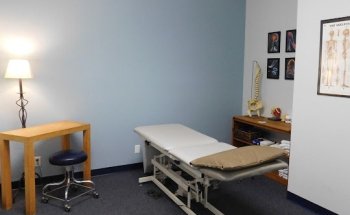
PRN Physical Therapy - La Mesa

Rehab United - La Mesa

Synergy Orthopedics Physical Therapy- La Mesa

Add your physiotherapy center to our directory free of charge
If you manage a physio clinic and want to appear in our guide, send us the information of your company and you can appear free of charge.
 Austria
 Belgium
 Brazil
 Chile
Chile España
 France
 Germany
 Italy
Italy Netherlands
 Portugal
 Switzerland
 United States
 Uruguay