Atlas Physical Therapy & Industrial Rehabilitation
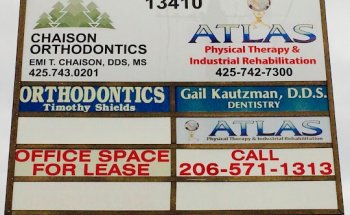
Information about Atlas Physical Therapy & Industrial Rehabilitation
Opening hours
- Monday: 8:00 AM – 7:00 PM
- Tuesday: 8:00 AM – 7:00 PM
- Wednesday: 8:00 AM – 7:00 PM
- Thursday: 8:00 AM – 7:00 PM
- Friday: 8:00 AM – 7:00 PM
- Saturday: 8:00 AM – 1:00 PM
- Sunday: Closed
“Prevention is the best cure!” Our knowledgeable team will educate you and work with you, not only in the recovery process, but also in preventing … Read More
Patients and physicians are demanding the skills of physical therapists for management of a wide variety of conditions. In many cases, patients are … Read More
Massage therapists treat clients by using touch to soothe the soft tissues of the body. With their manual skills, therapists relieve pain, help … Read More
Week after week, studies come out about the benefits of exercise. And while online resources can inspire you in countess ways to get moving, you likely won’t learn the correct way to squat or dead lift via YouTube.
But that isn’t stopping people from pumping iron. Even with an onlooking trainer or coach, gym go-ers, racers and athletes alike still get injured. Yes, this is the exact business that keeps physical therapists busy and employed, but the rehab bills and time can really start to add up if you’re the victim of improper training.
“As exercisers drop in and out of abdominal flexion, losing their muscle tension in the midsection, the low back gets wrenched in and out of extension with little support,” says Alycea Ungaro, PT. She’s the owner of Real Pilates in New York City.
“In addition, many people clutch the back of their heads and crane their necks back and forth subjecting their cervical spine to injuries as well.”
“The lat pull-down places a lot of stress on the anterior joint capsule of the shoulder and can eventually lead to impingement or even rotator cuff tears,” says Jessica Malpelli, DPT. She’s a therapist at the Florida Orthopedic Institute.
If something in your shoulder doesn’t feel right, stop and find another exercise. Even doing the lat pull-down in front of your head can be a safer approach.
While many people think this movement is all arms, it’s actually powered from your lower body, specifically the posterior chain including the glutes and hamstrings. It’s important to learn the correct way to move the weight before you start swinging it.
“Because of the speed and the force of the swinging motion of the kettlebell, the shoulder is at significant risk for injury,” says John Gallucci Jr., MS, ATC, PT, DPT. He’s the president of JAG Physical Therapy.
“Most commonly a person will fall into hyperextension through the low back while lowering and lifting weight, which could result in lumbar disc injury or muscular spasm,” says Gallucci.
“Also, if the weight isn’t distributed through the feet properly and is shifted too far forward, then the glutes and hamstrings won’t fire and the lumbar extensors are overworking, which again could result in a low back spasm,” explains Gallucci. If you’re a newbie to this lift, we recommend asking a trainer for help.
“An overhead squat is a full-body exercise, so for example, a person who doesn’t have enough mobility in their hips, knees and ankles will have trouble getting into a deep squat even without the overhead press,” says McGinnis. “The actual overhead motion adds strain to shoulder, cervical, thoracic and lumbar regions.”
“Stop when your low back starts to arch excessively, your knees drive forward past your toes or your arms move forward,” says McGinnis. “Whatever depth that is, that is the bottom of your squat.”
“The reason that I dislike this exercise is because there is no movement in sports that requires you to aggressively rotate backwards,” he says. In most athletic rotation and swinging movements (think: swinging a baseball bat or golf club), the most powerful part of the movement is when the body rotates forward, not backward.
The backward rotation does nothing for the client from an athletic standpoint, D’Amelio says. He recommends opting for medicine ball throws for rotary power, but only laterally and throwing the ball forward.
“Using a leg extension machine isn’t functional — there is no natural movement in life were you sit and straighten your knee with a 100-pound load against it,” says Joe Tatta, DPT. He’s a physical therapist at Premier Physical Therapy & Wellness in New York City.
“It also places undue stress across your knee joint affecting the delicate cartilage under the patella,” says Tatta. Need another option? Try squats instead.
Can’t pump out 20 straight? That may not be such a bad thing, especially if your alignment isn’t quite there yet. This exercise targets the lats, which is one of the most underused muscles in the body, especially for women. To get the benefits of a pull-up, the lats must be activated.
“You need to have your chest up with your abs engaged, and lead the pull with your elbows,” says Sulyn Silbar, orthopedic massage therapist and owner of Body + Mind NYC. “Most people cannot do them properly, as their lats aren’t working or aren’t strong enough, and therefore the body compensates by using the upper traps and chest to do the movement.” This can lead to short, tight pecs, or worse, shoulder issues.
It’s time for a separation of church and exercise. While the setup for a preacher curl is to, in fact, activate the bicep muscle, the position makes the rest of your body vulnerable.
“It puts the muscle in an active insufficiency, which means the muscle is already shortened, and puts your shoulders in an anterior tilted position and in abduction, which means they are farther apart,” says David Reavy, PT, OCT. He’s a therapist at React Physical Therapy in Chicago.
“There is no stabilization of your core or lats because your shoulder blades are out of place and you are in a forward posture. You are strengthening in a bad position.”
While there may not be any “bad” exercises, there can be poor executions of those movements. When in doubt, seek out expert advice to make sure your programming and exercise technique are sound.
How fast will you fall out of shape? You worked hard to get fit, whether by logging regular runs or striving for new personal bests in your bench press. When your workouts fall by the wayside, how fast you fall out of shape depends on more than just how much time you spent away from the gym. Your overall fitness and the type of workout you’re missing will also impact your losses, says Dr. James Ting, a board-certified sports medicine physician with the Hoag Orthopedic Institute in Irvine, California.
As a general rule, the fitter you are, the longer it will take your muscles to turn to flab, he says. Your physique doesn’t like change; it’s constantly trying to achieve homeostasis. So the longer you have been exercising (and the fitter you are), the more time it will take for your body to say, “Well, I guess we don’t need to build muscle any more.”
If it’s only been a week since you broke a sweat, don’t stress. Whatever your workout history, it’ll take more than seven days for your body to soften. But two weeks? You might not get away with that as easily. One study in the Journal of Applied Physiology suggests that easing up on your workouts for just 14 days can significantly reduce your cardiovascular fitness, lean muscle mass and insulin sensitivity. Meanwhile, it can take two months or longer to see complete losses of your fitness gains, according to Ting.
Endurance vs. strength: Which will you lose? Your body will react differently depending on whether you’re skipping endurance exercise versus strength training, says exercise physiologist and trainer Marta Montenegro.
During your day-to-day activities (like walking, talking, sitting at a desk, etc.), your type I fibers are contributing to the bulk of your efforts. But you really have to work to get your type II fibers to switch into gear. So when you take a break from exercise, your type I fibers are likely still being used, helping to prevent them from breaking down. But some of your type II, fast-twitch fibers may be rarely, if ever, used if you aren’t working out, Montenegro says.
That may explain why type II fibers tend to atrophy more quickly than type I fibers, she says. In other words, your max bench press will suffer before your 10K time does when you’re slacking. If you’re taking a break from strength work or high-intensity intervals, you’ll notice a huge difference when you finally do go back to the gym.
Breaks aren’t all bad Before we terrify you into heading to the gym right now, know that it’s actually good for you to skip workouts from time to time. In fact, if you train hard, taking a break can actually help improve your strength, muscle development and aerobic fitness, says certified strength and conditioning specialist Brad Schoenfeld, assistant editor-in-chief of the Strength and Conditioning Journal.
If you’re sore more than 72 hours after a workout, you’re feeling ill, or your fitness progress is stalling, it may be time to back off. How long should your break last? “There’s no hard and fast rule for how long a ‘break’ from exercise should be,” Ting says. “It may be as short as a few days, but it’s important to realize as well that it can also be up to one to two weeks without any significant detriment or loss in previous fitness gains.”
Just remember that taking a break from exercise doesn’t (and shouldn’t) equate to gluing your butt to the couch and Netflix-binging. “Taking up some light activity that isn’t part of your typical training regimen, such as yoga or even a long walk or leisurely bike ride, can all constitute a ‘break,'” Ting says.
How to jump back into your workouts Depending on how long you took off — and how lazy you were — you might not want to jump back into your workouts, but rather ease into them. If you’ve taken more than a couple of weeks off, you’ll probably notice some differences. After a month or more, you’ll definitely want to get started with a less intense version of your regular workout, Ting says.
“The most important thing is to back off a little for the first week,” Schoenfeld says. “Choose a weight where you will be able to stop several reps short of failure on your sets. The following week you should be able to train at your previous level, assuming the reason for stopping wasn’t an illness or injury.” Meanwhile, if you’re getting back into running, start at a pace at which you can run comfortably and are able to speak in short sentences. After a week, try turning up the speed.
It can be frustrating to exercise at anything less than your max effort, sure, but gradual is the way to go to prevent injury. The last thing you want is to walk into the gym after a month off, try to squat your usual load, and throw out your back. (Hello, another month off.)
Then second component of muscle memory involves your cells. “Muscles have satellite cells — basically muscle stem cells — that help to drive protein synthesis. Resistance training increases satellite cells and these changes remain for years,” he explains. “So even if muscle is lost from taking time away for many years, a person can regain the lost muscle much more quickly after an extended layoff.” Score.
Concerned about the rapidly growing economic burden of TKAs and THAs, Blue Cross Blue Shield (BCBS) and its independent licensee Blue Health Intelligence (BHI) analyzed BCBS claims data to compare regional costs for both types of joint replacement surgery.[4]
Researchers for BCBS and BHI analyzed three consecutive years of claims data for BCBS health insurance subscribers 18 to 65 years of age who underwent a typical TKA or a typical hip replacement. Eligible claims were those incurred in the 36 months ending July 2013 and paid through September 2013. Claims for individuals who had concurrent Medicare coverage or who had a serious comorbidity, such as cancer or HIV, were excluded from the analysis.
The study determined the average cost of a typical total hip or knee replacement for each of 64 BCBS markets, which encompassed nearly every state in the United States. The estimated cost of each procedure included all claims stemming from the primary surgery and any claims related to presurgical and postsurgical care. In addition, BCBS-BHI analyzed differences in cost between markets and within a market.
The average price of a typical TKA was $31,124, and the average price of a THA was $30,124. However, costs varied substantially between regional markets. Claims incurred for a TKA ranged from $11,317 in Montgomery, Alabama, to $69,654 in New York; claims incurred for a THA ranged from $11,327 in Birmingham, Alabama, to $73,987 in Boston, Massachusetts.
On average, the most expensive market for a patient to undergo either joint replacement procedure was New York, where the mean cost of a TKA was $61,266 and the mean cost of a THA was $59,448. The least expensive market for both procedures was Montgomery, Alabama, where the cost of a TKA averaged $16,097 and the cost of a THA averaged $16,399.
The study showed that costs often varied greatly within a single market. For example, data reflected a 267% difference in price between the least and most expensive TKA in the Dallas, Texas, market; and a 313% difference in price between the least and most expensive THA in the Boston-Worcester, Massachusetts, market.
Conversely, some markets had relatively consistent costs between facilities. The difference between the least and most expensive TKA was only .3% in the Fort Collins-Loveland, Colorado, market; and the difference between the least and most expensive THA was only 1.7% in the Wilmington-Newark, Delaware, market.
Thomas C. Barber, MD, chair of the American Academy of Orthopaedic Surgeons (AAOS) Council on Advocacy and an orthopedic surgeon in Oakland, California, who specializes in total joint replacement, offered his perspective on the study:
References Previous preplacement procedure (eg, price of the implant, facility costs, or surgical fees) were more likely to drive the cost differences observed. The report also did not explore whether any relationship existed between cost and quality.
Knee arthritis occurs when the cartilage of the knee joint gradually erodes. Cartilage is a rubbery, slippery tissue at the ends of bones. Without the gliding, cushioning effect of cartilage, the bones of the knee joint rub together. The knee can’t move easily and becomes stiff, swollen, and painful.
Early symptoms of knee arthritis may be aching joints after physical activity or stiffness first thing in the morning. With time, symptoms may occur more often. It becomes harder to walk, climb stairs, and get in and out of chairs.
Although most people have mild knee arthritis, it can become severe. Knee arthritis can interfere with daily tasks and your ability to take part in family and work activities. Living with this painful condition can contribute to chronic mood disorders such as depression and anxiety.
To relieve pain and stay active, you may need a multipronged approach. Weight loss, exercise, medication, alternative therapies, and surgery are some of the options.
If you’re overweight, losing just 5 percent of your current weight can improve your arthritis symptoms. Every pound lost takes 4 pounds of stress off your knees. Shedding pounds isn’t easy, but a healthy weight will go a long way toward keeping you active.
Low-impact aerobic exercise, such as walking, swimming, water aerobics, and cycling, relieves arthritis pain. Stretching and strengthening your leg muscles helps, too. Adding just a little activity to your day several times a week can make a difference in your symptoms.
Acetaminophen, nonsteroidal anti-inflammatory drugs (NSAIDs), and topical creams and sprays are common therapies. Mild narcotic painkillers and injections of drugs that tame inflammation or improve joint lubrication are sometimes used. Which medication is best for you depends on the severity of your pain, your other health problems, and the other medicines you take.
Physical therapy can improve joint function, while occupational therapy teaches you how to move smarter to minimize pain. Acupuncture, massage, and electrical stimulation of the nerves (transcutaneous electrical nerve stimulation, or TENS) improve symptoms for some people.
Pay attention to your body’s signals so you know when it’s time to slow down or rest. A good night’s sleep and a healthy diet will help you cope better with your arthritis. When flare-ups occur, apply hot or cold packs or warm towels to your knee, or take a warm bath. Cold lessens inflammation, while heat boosts circulation and eases pain and stiffness.
In knee replacement surgery, the entire knee or part of the knee is replaced with metal or plastic parts. This major surgical procedure can decrease pain and swelling and improve movement when the knee is very damaged. Removal of loose pieces of cartilage, smoothing of the knee’s bony surfaces, and realignment of the bones are other surgical procedures that can reduce pain and disability.
European researchers looked at 147 adults between the ages of 20 and 84. With two MRI scans, they examined the link between sleep problems like insomnia and the study participants’ brain volume. The first scan was taken before patients completed a questionnaire pertaining to their sleep habits. The second scan was done approximately 3½ years later.
The questionnaire showed that 35% of those in the study met the criteria for poor sleep health. Investigators found that those with sleep problems had a more rapid decline in brain volume or size over the course of the study than those who slept well.
Numerous studies have showed the importance of sleep and the effect sleep deprivation can have on our brains. It is well-known that poor sleep patterns can contribute to such brain disorders as Alzheimer’s and dementia.
“We know that a lack of sleep can lead to all kinds of problems,” explained Dr. Neal Maru, a neurologist and sleep specialist with Integrated Sleep Services in Alexandria, Virginia, who is not associated with the study. “Poor sleep can affect our immune systems, our cardiovascular health, weight and, of course, memories. But we still don’t know why.
“Studies have shown poor sleep can cause protein buildup in the brain that attacks brain cells. So we’re still trying to put the puzzle together.”
“It is not yet known whether poor sleep quality is a cause or consequence of changes in brain structure,” said author Claire Sexton of the University of Oxford in the United Kingdom.
“There are effective treatments for sleep problems, so future research needs to test whether improving people’s quality of sleep could slow the rate of brain volume loss. If that is the case, improving people’s sleep habits could be an important way to improve brain health.”
“The problem is, we really don’t know what comes first,” Maru agreed. “Is it a sleep problem that causes the atrophy (wasting away of a body part), or is it the atrophy that causes the sleep problems? That’s a question we need to sort out.”
Both manual physical therapy (MPT) and corticosteroid injections (CSI) significantly improve symptoms in patients with shoulder impingement syndrome (SIS), but physical therapy may be less costly to the healthcare system, according to a new study.
Physicians might consider physical therapy for patients with SIS — a sort of “catch all” diagnosis encompassing shoulder pain resulting from rotator cuff tendinosis and bursitis in the shoulder area — who don’t want injections, said lead study author, Daniel Rhon, PT, DPT, DSc, who at the time of the study was director, research, Department of Physical Medicine, Madigan Army Medical Center, Tacoma, Washington.
“The number one reason patients didn’t want to participate in this study was that they didn’t want to get an injection, indicating that there is clearly a subset of patents who are averse to injections.” For these patients, said Dr. Rhon, physical therapy “would be a great thing to keep top of mind in terms of other treatment options.”
The study, which Dr. Rhon believes is the first to compare MPT with CSI “head to head” long term, was published onlineAugust 5 in Annals of Internal Medicine. Dr. Daniel Rhon Pain and Disability
Researchers randomly assigned consecutive patients aged 18 to 65 years with unilateral shoulder pain to receive CSI or MPT. Patients were referred from family practice and orthopedic clinics. None had had physical therapy or corticosteroid injections within the previous 3 months.
The CSI group received up to 3 injections of 40 mg triamcinolone acetonide 1 month apart. The injections were administered by a family practice physician with sports medicine fellowship training.
Matched to individual impairment, the MPT intervention consisted of a combination of joint and soft-tissue mobilizations, manual stretches, contract-relax techniques, and reinforcing exercises directed to the shoulder girdle or thoracic or cervical spine. Patients were treated twice weekly over a 3-week period and prescribed home exercises.
After 1 year, both the CSI group (n = 52) and the MPT group (n = 46) had a greater than 50% improvement in the Shoulder Pain and Disability Index (SPADI), with neither group being superior. The between-group difference in the SPADI, a 13-item, self-administered questionnaire that includes pain and disability subscales, was 1.55% (95% confidence interval [CI], –6.3% to 9.4%; P = .70). The minimal clinically important difference for the SPADI is a change between 8 and 13 points (6% to 10%).
Ratings on the Global Rating of Change (GRC) scale improved by 3 points (95% CI, 2 – 4) for each group. The GRC measures overall perceived changes in quality of life, with a score of 3 or more points being clinically meaningful.
Self-reported pain intensity as measured by the 11-point Numeric Pain Rating Scale significantly improved from baseline (P < .05) in both groups, but neither intervention was superior (between-group difference 0.4 (95% CI, –0.5 to 1.2; P = .42).
The researchers also looked at related healthcare use. The study showed that 37% of the MPT and 60% of the CSI groups had at least 1 additional healthcare visit to their primary care physician for shoulder pain.
MPT patients had fewer corticosteroid injections than the CSI group (20% vs 38%) after the end of the treatment portion of the study. Even though physical therapy can be costly, Dr. Rhon wondered whether starting patients on injections is “putting them on a path” to needing additional healthcare.
“Is this going to end up taking more time and costing more money in the long run than maybe starting with something like physical therapy at the beginning,” said Dr. Rhon.
Sleep quality and obesity can affect shoulder pain prognosis. However, in this study, both groups reported similar effects of pain on their sleep quality, and their baseline weight was similar (mean body mass index, 28.65 kg/m2 for CSI and 28.34 kg/m2 for MPT).
There were, however, twice as many smokers in the MPT group. It’s possible, said Dr. Rhon, that the therapy group would have done even better had there been fewer smokers. He and his fellow researchers are now doing a secondary analysis looking at the effect of smoking.
On the other hand, the CSI group had more than twice the number of retired military personnel. However, Dr. Rhon doesn’t believe this affected the outcome because the mean age of the 2 groups was almost identical (42 years for CSI and 40 years for MPT).
Patients and clinicians weren’t blinded to the intervention, and the study included only patients referred for physical therapy. Other limitations were lack of standardized diagnostic criteria for SIS and of patients with a full-thickness rotator cuff tear.
Commenting on the study for Medscape Medical News, Richard Radnovich, DO, Injury Care Medical Center, Boise, Idaho, and clinical instructor, University of Washington School of Medicine, Seattle, said that the study was “well thought out and executed” and had “appropriately limited focus” and that the results suggest certain types of manipulation are as effective as injections in treating SIS.
However, said Dr. Radnovich, the study had some drawbacks. For one thing, it looked at MPT techniques provided at a single military hospital with no copayments or other financial impediments to care and didn’t compare the cost of this treatment to injections.
He pointed out that the therapists in the study may have been “particularly skilled or even gifted” in this area of physical therapy and that physicians providing injections “may not have been particularly skilled.”
The data may also have been “skewed” by the fact that the injection group had more than twice the number of retired military than the manipulation group. Military personnel, said Dr. Radnovich, may acquire more “wear and tear” injuries than, for example, dependents.
“Because of these and other limitations, we cannot overly generalize or extrapolate,” said Dr. Radnovich. “However, if a patient prefers to avoid injections, and has the time, resources and a skilled manual therapist, trying a course of manipulation for SIS may be a reasonable option.”
But, the best news from this study is that it appears that you can reap this benefit even if you run at slow speeds for mere minutes every day, the 15-year study suggests.
“People may not need to run a lot to get health benefits,” said lead author Duck-chul Lee, an assistant professor of kinesiology at Iowa State University. “I hope this study can motivate more people to start running and to continue running as an attainable health goal.”
It’s not clear from the study whether the longer lifespan is directly caused by running. The researchers were only able to prove a strong link between running and living longer. There could be other reasons that runners live longer. It could be that healthy people are the ones who choose to run, noted the study’s authors. The investigators did try to control the data to account for such factors though.
Current U.S. guidelines for physical activity call for a minimum of 75 minutes per week of running or other vigorous-intensity aerobic activity, or 30 minutes of moderate-intensity exercise most days of the week.
Running modest amounts each week — less than 51 minutes, fewer than 6 miles, slower than 6 miles per hour, or only one to two times — was still associated with solid health benefits compared to no running, the researchers reported in the Aug. 5 issue of the Journal of the American College of Cardiology.
The study also suggested that you can have too much of a good thing. People who regularly ran less than an hour per week reduced their risk of death just as much as runners who logged three hours or more weekly.
The study involved more than 55,000 adults aged 18 to 100, who were followed during a 15-year period to determine whether there is a relationship between running and longevity. About one quarter of this group were runners.
The researchers discovered that people who didn’t run had a life expectancy three years less than that of runners. Running was linked to a 30 percent lower risk of death from any cause and a 45 percent lower risk of death from heart disease or stroke, compared to no running.
Even less-avid runners received significant benefits. Running a minimum 30 minutes to 59 minutes each week — which equates to just 5 to 10 minutes a day — was associated with a 28 percent lower overall risk of death and a 58 percent reduced risk of death from heart disease, compared with no running.
“The mortality [death] benefits in runners were similar across running time, distance, frequency, amount and speed,” Lee said. The benefits held firm even after the researchers took into account for factors such as weight, smoking, drinking or health problems.
However, runners need to keep at it. Persistent runners — those who had been running regularly for an average of six years — had the greatest benefit, the study authors found.
Improved heart and lung function appears to be key to running’s health benefits, Lee said. Runners in the study had 30 percent better fitness than nonrunners, and their fitness increased with the amount of time they spent running.
Dr. Michael Scott Emery, co-chair of the American College of Cardiology’s Sports and Exercise Cardiology Council, found it “a little surprising that 5 or 10 minutes of running had such an impact on health.”
Emery, a cardiologist in Greenville, S.C., said, “This shows your biggest bang for the buck is just getting up and doing something, even if it doesn’t meet current guidelines. Even a little bit is better than zero.”
But, he noted that running does have more potential for injury than walking, including joint problems, ankle sprains, shin splints, back pain and muscle pulls.
“Running is a vigorous-intensity activity, thus it is recommended that inactive people can start walking to reduce injury risk before they start running,” he said.
Does acupuncture really work? What’s it like to have a bunch of needles stuck in you? Health magazine editors Camille Chatterjee and Ellen Seidman recently started getting treatments to alleviate pain. Camille has gotten a couple of sessions for tendinitis in her elbow, and Ellen has an achy left shoulder that’s simultaneously being treated by a physical therapist. The two of them share their experiences going under the needle.
Yeah, you feel it Camille: I was surprised to feel a little twinge or tingle in some places where a needle was placed. The first time I got acupuncture, the practitioner actually hooked the needles up to a little machine that purposely stimulated them—and, by association, certain trigger points.
Ellen: Hey, I’m going to ask about that little machine! Like Camille, I thought the process would be painless. The insertion of needles doesn’t usually hurt—but on occasion, I’ve felt it go in. And at times, when I’ve felt a serious ache in muscles, the practitioner has adjusted the needle so it doesn’t hurt.
And it’s a little weird Ellen: I decided to take a selfie while I was lying on the table with a needle in my forehead—I thought it would look cool. As it turns out, it falls under “Stuff I wish I hadn’t done” because it made me cringe to see a needle smack in the middle of the forehead.
Camille: I once had the practitioner take a pic of my needles too—guess there’s a reason we’re health editors! I am not afraid of needles, at all, but I have to admit that I don’t like staring at a bunch of them in my skin. So I just look away. I’ve had some bruising in my arm afterward; nothing alarming, since I tend to bruise easily, but I had to deal with a week of people asking, “What’s that?”
The needles aren’t the ones you’re thinking of Ellen: These are not those long needles you’re used to for doctor office shots. They’re more similar to needles used for sewing, but without the heads, and they’re skinnier. They come tucked inside plastic tubes; the practitioner places them on key spots and taps them into your skin.
Those needles don’t go where you’d imagine Ellen: I thought the needles would be inserted into my left shoulder, where it hurts. While that is a possibility down the road, the practitioner ended up focusing on my right ankle and calf.
Camille: Acupuncture is based on the idea that your body has various lines of energy that connect to points related to a particular organ. Stimulating points on one side of the body can help heal points on the other side—explaining Ellen’s right ankle and calf, and why I got needles in my right forearm to relieve pain on my left side.
The relief can be immediate…or not Camille: I’ll admit that the treatments for my elbow didn’t help as far as I could tell—the practitioner did tell me that I may need a bunch of sessions to see progress, and I decided to stick with the physical therapy I’d already been doing. But just one appointment was enough to loosen a knot in my shoulder and increase my range of motion.
Ellen: On my first session, he put a couple of needles in my ears for stress relief, even though that wasn’t the reason I was there. Within a few minutes, I genuinely felt like I’d been lulled into a pleasant stupor. That treatment did nothing for my shoulder pain. The next time around, though, he inserted needles in other areas and my ache subsided. I actually said the words “Wow, this works!” And it was the same for the next session. So, I’m an acupuncture convert. It’s not a cure-all but for me, it is a pain reliever.
Researchers explore shiatsu to help people with chronic pain fall asleep Published on June 18, 2014. There was a time, back in Nancy Cheyne’s youth, when she combined the poise and grace of a ballerina with the daring and grit of a barrel racer. When she wasn’t pursuing either of those pastimes, she bred sheepdogs, often spending hours on her feet grooming her furry friends at dog shows.
All that seems like a lifetime ago. After 15 years of living with chronic lower-back pain, Cheyne, 64, can’t walk from the disabled parking stall to the elevator at work without stopping for a rest. She eats mostly junk food because it hurts too much to stand over the stove and spends most of her spare time in a recliner with a heating pad.
Despite pain patches and opiates, Cheyne often lies awake at night in the same recliner-sleeping in a bed is like torture-after waking every couple of hours in excruciating pain.
Researchers at the University of Alberta are exploring the traditional Japanese massage practice called shiatsu as a potential treatment to help Cheyne and others like her find slumber-and stay asleep. A small pilot study followed nine people living with chronic pain as they self-administered shiatsu pressure techniques on their hands at bedtime.
“We know that sleep involves both physiology and learning. You don’t just flip a switch and go to sleep,” says Cary Brown, an associate professor of occupational therapy in the Faculty of Rehabilitation Medicine. “What we saw with this pilot is that it appears self-shiatsu may help your body to prepare for sleep and help you stay asleep for longer periods.”
For the study, occupational therapy and physical therapy students were taught the basic shiatsu techniques and in turn trained participants, who reported falling asleep faster-sometimes even while administering treatment-and slept longer after two weeks and eight weeks of treatment, compared with a baseline measurement.
“Usually within a few minutes of doing the pressure treatments, I’m gone-asleep,” she says. “Sometimes I can’t even finish, I just go out.”
Related Stories Study: Sleep problems after divorce may increase blood pressure Sleep problems in PD patients can worsen in later stages of disease Sleep deprivation can lead a healthy person to display symptoms similar to schizophrenia Results promising, but more study required
Brown cautions it’s impossible to draw strong conclusions about the pilot given the small sample size, self-reported nature of the data and limitations in gender; however, she believes the results are promising enough to warrant further study.
“One of the barriers to falling asleep for people who have pain is they worry about what’s going to happen and while you’re laying there you’re thinking about all these negative things, it occupies your attention,” Brown says. “This relates to research on attention in cognitive theory.”
The pilot was an attempt to explore low-cost, unintimidating alternatives to drugs to help people with chronic pain fall asleep, noting medication is seldom recommended for long-term use. Brown collaborated on the project with shiatsu therapist Leisa Bellmore of the Artists’ Health Centre at Toronto Western Hospital and U of A colleague Geoff Bostick.
For patients suffering from chronic pain due to low-back and other musculoskeletal injuries, the only thing that matters is finding results that work, Brown says. Not only does sleep deprivation lower a person’s pain threshold, it also affects their health, from increased risk of obesity, diabetes, cardiovascular disease and traffic accidents.
Services and Treatments
Atlas Physical Therapy & Industrial Rehabilitation: Reviews
Fantastic experience: Todos los presentes fueron extremadamente amables y profesionales. Me puse a trabajar con Tito y Laisa todos estaban muy bien informados en la planificación de entrenamientos adecuados a lo que ayudaría en mi recuperación. Se lo recomendaría encarecidamente a todo el mundo,Gracias Equipo ATLAS
Fantastic experience: I had a work injury on my shoulder. Everyone at Atlas where very professional and knowledgeable. Very friendly people to work with.
Fantastic experience: Awesome support and help from the staff. Thank you for the assistance to get me back to a 100 percent.
Fantastic experience: Very friendly people with very good service. Highly recommend
Fantastic experience: I work in a very injury prone profession and have had three separate instances to use physical therapy over the past 25 plus years. By far my best experience has been with Tito and Danny at Atlas Physical Therapy. They are kind professional and definitely interested in your short term and long term health. They pushed appropriately but not too much. Tito uses an app that reminds you of which exercises to do on your days off, and I am still using the app even though I am released from therapy. Hopefully no future injuries but if I do I will definitely be seeing Tito, Danny, and the great support staff such as Jessie.
Fantastic experience: Due to a rare condition, it is a necessity to have PT at different intervals in life. I have had many different kinds of PT and many different locations. Out of any PT I have had, Atlas of S. Everett is the best yet. All staff are always friendly, courteous, and caring. PT is personalized to my particular needs, and am offered different approaches, that work? I have been relieved from serious chronic pain that I give most of the credit for to Atlas. Thank you Atlas, everyone there are great. Please keep doing the world a great service!
Fantastic experience: I have great treatment. Felt much better and relaxed. My right hand was hurting so much before treatment. Finally I could sleep without pain.
Fantastic experience: I’ve used them twice now for a shoulder then back injury. Both times they were able to get me back to 100%. I always enjoy working with an expert at the top of their game. Tito is extremely good at what he does. Both him and his staff are pleasant, light hearted and professional.
Fantastic experience: Due to a rare condition, it is a necessity to have PT at different intervals in life. I have had many different kinds of PT and many different locations. Out of any PT I have had, Atlas of S. Everett is the best yet. All staff are always friendly, courteous, and caring. PT is personalized to my particular needs, and am offered different approaches, that work? I have been relieved from serious chronic pain that I give most of the credit for to Atlas. Thank you Atlas, everyone there are great. Please keep doing the world a great service!
Negative experience: The front desk staff are horrible to work with. If the therapists made up for that I would continue on as a client/patient. Today was the last time I had to endure Leah's condescending tone and terrible customer service. I understand how difficult it is to find good customer service these days, but persistently making clients feel unwelcome is never a good strategy in any business model.
Fantastic experience: I had a great experience with Atlas! The doctors were very nice and patient. They know what they are doing.
Fantastic experience: Our son went to Atlas for several months to help strengthen his legs. The staff was helpful, professional, and I believe they set him up for success as he now continues the exercises on his own (he 'graduated'). Would recommend Atlas to anyone in need of PT based on accidental or developmental needs. If you need a pediatric physical therapist, consider Atlas.
Fantastic experience: Many thanks to all at Atlas PT. I have enjoyed the friendly atmosphere and community approach to physical therapy. Special thanks to Danny for his care and commitment to provide safe progress and pain reduction.
Fantastic experience: Tito and his team were very pleasant to work with. Having different therapists I feel was a good to challenge and asking questions about how I was feeling.
Fantastic experience: Everyone there was extremely kind and professional. Got to work with Cathy, Daniel, Laura and Tito and all were very knowledgeable with planning workouts fit to what would aid in my recovery. Would highly recommend to anyone and everyone.
Fantastic experience: The part I enjoy the most is after my PT, 2 times a week I have the benefit of a massage with Eric. I walk away with most of my pain relieved. A real jewel to Atlas.
Fantastic experience: After one session with Tito I feel so much better. Very professional, nice bedside manner. My head feels light. I never knew how hurt I was until I learned what it feels like to not hurt.
Fantastic experience: My experience with this physical therapist was a knowledgeable therapeutic healing rehabilitative experience.
Negative experience: Billing department is terribly slow. Calvin Chen is a great therapist. They other lady I saw hurt me in therapy multiple times and made my knee worse. Would not recommend
Leave your opinion about Atlas Physical Therapy & Industrial Rehabilitation:
Atlas Physical Therapy & Industrial Rehabilitation appears in the following listings:
Other physiotherapy centers that might interest you
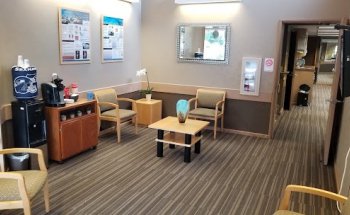

NW Spinal Rehabilitation Clinic, P. S.

Vida Integrated Health Everett
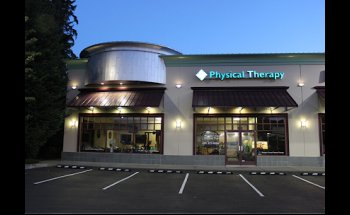
IRG Physical Therapy - Murphy's Corner
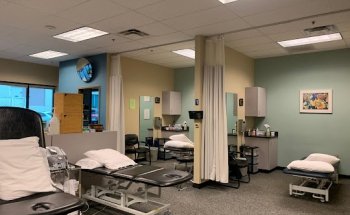
Summit Rehabilitation - Mill Creek
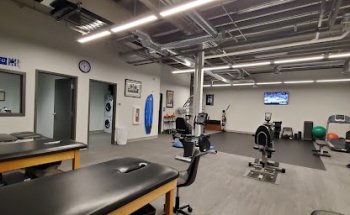
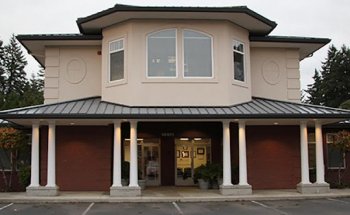
Summit Rehabilitation - Everett, 19th Ave. (Formerly Cascade Rehabilitation)

IRG Physical Therapy - Silver Lake

Alderwood Physical Therapy

IRG Physical Therapy - Evergreen

The Everett Clinic Comprehensive Pain Center
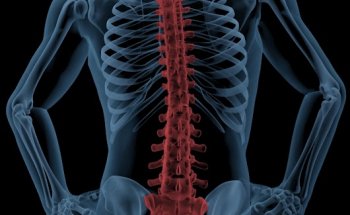
Rehabilitation Sports & Spine Center PS
Add your physiotherapy center to our directory free of charge
If you manage a physio clinic and want to appear in our guide, send us the information of your company and you can appear free of charge.
 Austria
 Belgium
 Brazil
 Chile
Chile España
 France
 Germany
 Italy
Italy Netherlands
 Portugal
 Switzerland
 United States
 Uruguay